
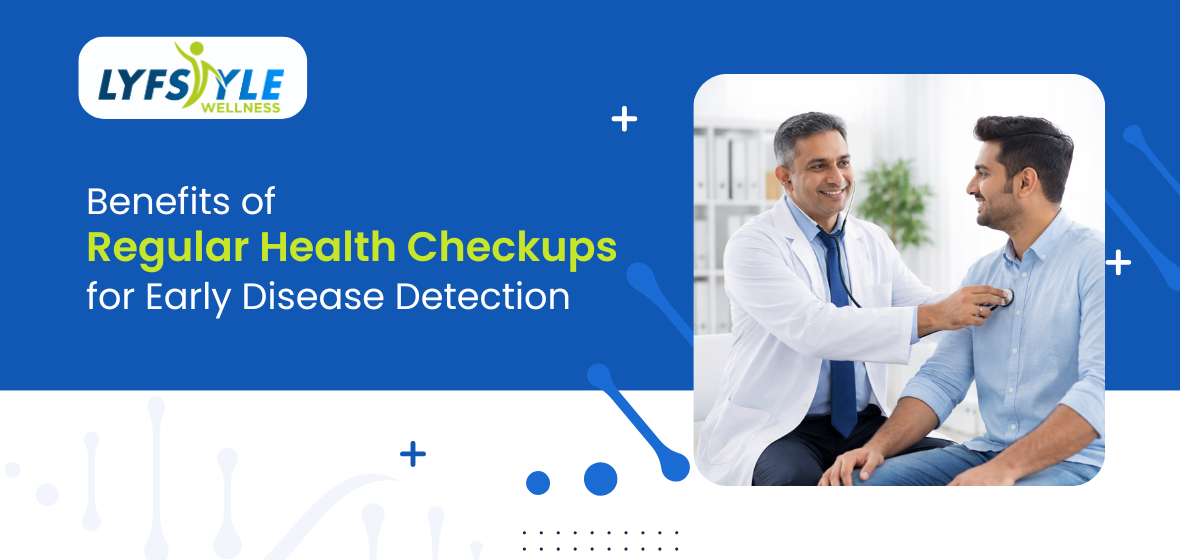
In today’s busy lifestyle, health often becomes a secondary priority until symptoms start appearing. However, many serious diseases develop silently without showing early warning signs. This is why regular health checkups are extremely important for maintaining overall well-being and preventing major health issues.
Routine health screenings help detect diseases at an early stage, allowing timely treatment and better outcomes. Instead of waiting for problems to arise, preventive healthcare ensures that your body stays in optimal condition. Early detection not only saves lives but also reduces the financial and emotional burden of advanced medical treatments.
What Are Regular Health Checkups?
Regular health checkups are routine medical examinations that evaluate a person’s overall health and identify any hidden conditions before they become serious.
What Do They Include?
These checkups usually involve a combination of tests and screenings such as:
Common Tests
- Blood tests
- Blood pressure monitoring
- Blood sugar levels
- Cholesterol check
- Heart health tests like ECG
These tests provide a complete overview of your health and help doctors identify potential risks early.
Why Early Disease Detection Matters
Silent Nature of Diseases
Many conditions such as diabetes, hypertension, and heart disease do not show symptoms in the early stages. By the time symptoms appear, the disease may already be advanced.
Better Treatment Outcomes
Detecting diseases early allows doctors to begin treatment immediately.
Key Advantages
- Faster recovery
- Reduced complications
- Lower treatment costs
- Improved survival rates
Top Benefits of Regular Health Checkups
Early Diagnosis of Health Issues
Routine screenings help identify abnormalities in the body before they turn into serious conditions.
Prevention of Future Diseases
Doctors can identify risk factors and recommend lifestyle changes to prevent illnesses.
Improved Heart Health
Regular monitoring of blood pressure and cholesterol helps reduce the risk of heart disease.
Better Management of Existing Conditions
Helps Control
- Diabetes
- Hypertension
- Thyroid disorders
Regular checkups ensure these conditions remain under control.
Cost-Effective Healthcare
Early treatment is usually less expensive than treating advanced diseases, helping save money in the long run.
Who Should Get Regular Health Checkups?
Adults Above 30
As age increases, the risk of chronic diseases also rises.
People with Unhealthy Lifestyles
Includes
- Sedentary routine
- Poor diet habits
- Smoking or alcohol consumption
Individuals with Family History
People with a family history of heart disease, diabetes, or cancer should undergo regular screenings.
How Often Should You Get a Health Checkup?
General Recommendation
Frequency
- Once a year for healthy individuals
- Every 6 months for high-risk individuals
Regular monitoring helps track changes in health over time.
What Happens During a Health Checkup?
Step-by-Step Process
Includes
- Medical history review
- Physical examination
- Laboratory tests
- Doctor consultation
Based on the results, doctors may suggest lifestyle changes or further tests if needed.
Conclusion
Regular health checkups are a powerful tool for maintaining good health and preventing serious diseases. By detecting problems early, they allow timely treatment and reduce the risk of complications.
In addition to improving physical health, routine checkups provide peace of mind and help individuals take control of their well-being. Making health checkups a regular habit is a simple yet effective step toward a longer, healthier, and more active life.