
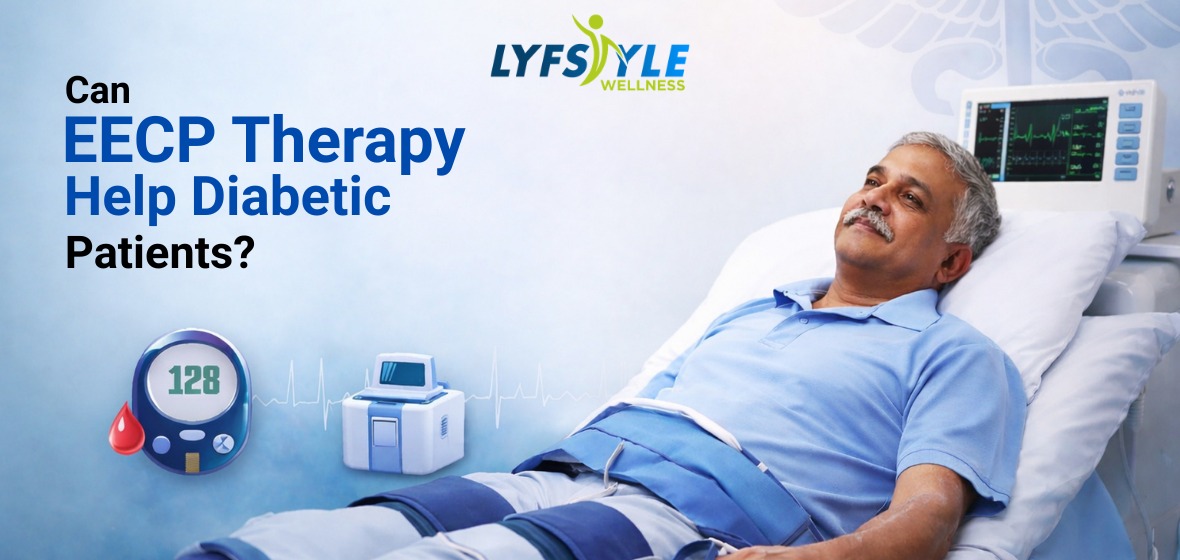
Diabetes is one of the most common chronic health conditions worldwide, and its complications often extend beyond blood sugar control. Among the most serious risks associated with diabetes is cardiovascular disease. People with diabetes are significantly more likely to develop blocked arteries, reduced circulation, and heart attacks compared to non-diabetic individuals.
Because diabetes damages blood vessels over time, protecting heart health becomes a critical priority. While medications, angioplasty, and bypass surgery remain common treatment options, many patients look for non-surgical alternatives. One such option is Enhanced External Counterpulsation (EECP) therapy.
But can EECP therapy truly help diabetic patients? Let’s explore its benefits, safety, and role in cardiovascular care.
Understanding the Link Between Diabetes and Heart Disease
High blood sugar levels damage the inner lining of blood vessels, known as the endothelium. This damage promotes inflammation and plaque buildup inside the arteries, a condition called atherosclerosis. Over time, arteries become narrow and stiff, restricting blood flow to the heart.
Diabetic patients often develop:
- Coronary artery disease
- Chronic stable angina
- Peripheral artery disease
- Microvascular complications
- Increased risk of heart attack
Unlike some non-diabetic patients who may have a single blockage, diabetics frequently experience multiple or diffuse arterial narrowing. This makes treatment more complex and increases the need for therapies that improve overall circulation.
What Is EECP Therapy?
Enhanced External Counterpulsation (EECP) is a non-invasive, FDA-approved treatment designed to improve blood flow to the heart muscle.
During treatment:
- Inflatable cuffs are wrapped around the calves, thighs, and lower hips.
- The cuffs inflate and deflate in sync with the heartbeat.
- Inflation occurs during the heart’s relaxation phase, pushing blood back toward the heart.
- Deflation happens just before the heart pumps again, reducing resistance.
This process increases oxygen-rich blood supply to the heart while decreasing its workload.
A standard treatment protocol usually includes 35 one-hour sessions over seven weeks. The therapy is performed on an outpatient basis, and patients can resume normal activities immediately after each session.
How EECP Therapy Helps Diabetic Patients
Improves Overall Circulation
Diabetes often causes poor blood circulation due to damaged vessels. EECP enhances blood flow not only to the heart but also throughout the body, improving oxygen delivery to tissues.
Promotes Natural Bypass Formation
One of the most significant benefits of EECP is the stimulation of collateral blood vessel development. These small vessels act as natural bypass channels, allowing blood to flow around blocked arteries without surgery.
Reduces Angina (Chest Pain)
Many diabetic heart patients suffer from chronic chest discomfort. By improving oxygen supply to the heart muscle, EECP reduces both the frequency and severity of angina episodes.
Enhances Endothelial Function
Healthy blood vessel lining is essential for proper circulation. EECP has been shown to improve endothelial function, which is often compromised in diabetic individuals.
Increases Exercise Tolerance
After completing therapy, many patients report improved stamina and reduced shortness of breath. This allows them to engage in physical activity more comfortably, which further supports heart and metabolic health.
Is EECP Therapy Safe for Diabetic Patients?
EECP therapy is generally considered safe when performed under medical supervision. Since it is non-surgical, it avoids the risks associated with anesthesia, incisions, and prolonged recovery periods.
Most patients experience only mild pressure sensations during treatment. Minor side effects such as temporary muscle soreness or skin irritation may occur but are typically short-lived.
However, careful screening is essential before starting therapy.
Who Should Consider EECP Therapy?
Diabetic patients may benefit from EECP if they:
- Have chronic stable angina
- Continue experiencing symptoms despite medication
- Are not suitable candidates for bypass surgery
- Have multiple or diffuse arterial blockages
- Prefer a non-invasive treatment approach
A cardiologist can determine eligibility based on medical history and diagnostic testing.
Who Should Avoid EECP?
EECP may not be recommended for patients with:
- Severe aortic valve disease
- Uncontrolled high blood pressure
- Recent deep vein thrombosis
- Severe peripheral vascular disease
- Active bleeding disorders
Proper medical evaluation is mandatory to ensure safe treatment.
Does EECP Therapy Control Blood Sugar?
EECP is not a replacement for diabetes medication or insulin therapy. It does not directly reduce blood glucose levels.
However, improved circulation and increased exercise capacity may indirectly support better overall health. When patients feel less chest pain and fatigue, they are more likely to maintain physical activity and follow lifestyle recommendations that help manage diabetes effectively.
Clinical Evidence Supporting EECP
Multiple clinical studies have demonstrated that EECP improves angina symptoms and enhances quality of life in patients with coronary artery disease.
Research indicates that EECP:
- Improves endothelial function
- Increases nitric oxide availability
- Enhances microvascular circulation
- Reduces inflammation markers
These effects are particularly beneficial for diabetic patients who often suffer from small vessel disease.
EECP vs Surgical Treatments in Diabetic Patients
Angioplasty and bypass surgery remain important treatments for severe coronary blockages. However, diabetic patients may have higher procedural risks and recurrence rates.
EECP does not mechanically open arteries. Instead, it promotes natural circulation improvement. For patients who are high-risk surgical candidates or prefer conservative management, EECP offers a safe alternative.
In some cases, EECP may also be used alongside standard medical therapy to improve outcomes
Long-Term Benefits of EECP
Many patients experience long-lasting improvements after completing a full course of therapy. Reported benefits include:
- Reduced hospital admissions
- Decreased angina episodes
- Improved physical endurance
- Better quality of life
- Lower reliance on certain medications
Some individuals may require maintenance sessions depending on symptom recurrence and physician recommendations.
Integrating EECP Into Comprehensive Diabetes Care
Effective management of diabetic heart disease requires a holistic approach that includes:
- Strict blood sugar control
- Cholesterol and blood pressure management
- Healthy diet and weight control
- Regular physical activity
- Smoking cessation
- Stress management
EECP should be viewed as a complementary therapy within this broader care plan. When combined with proper medical management and lifestyle changes, it can significantly enhance cardiovascular stability.
Conclusion
EECP therapy can provide meaningful benefits for diabetic patients suffering from coronary artery disease and chronic angina. By improving blood circulation, stimulating natural bypass vessels, and reducing cardiac workload, it offers a non-surgical option for symptom relief and improved heart function.
Although it does not replace diabetes treatment, EECP serves as a valuable supportive therapy for managing cardiovascular complications associated with diabetes. With proper medical evaluation and a comprehensive treatment strategy, diabetic patients can achieve better heart health and an improved quality of life.
📞 Call: +91-73834 42222
✉️ Email: info@lyfstylewellness.com